
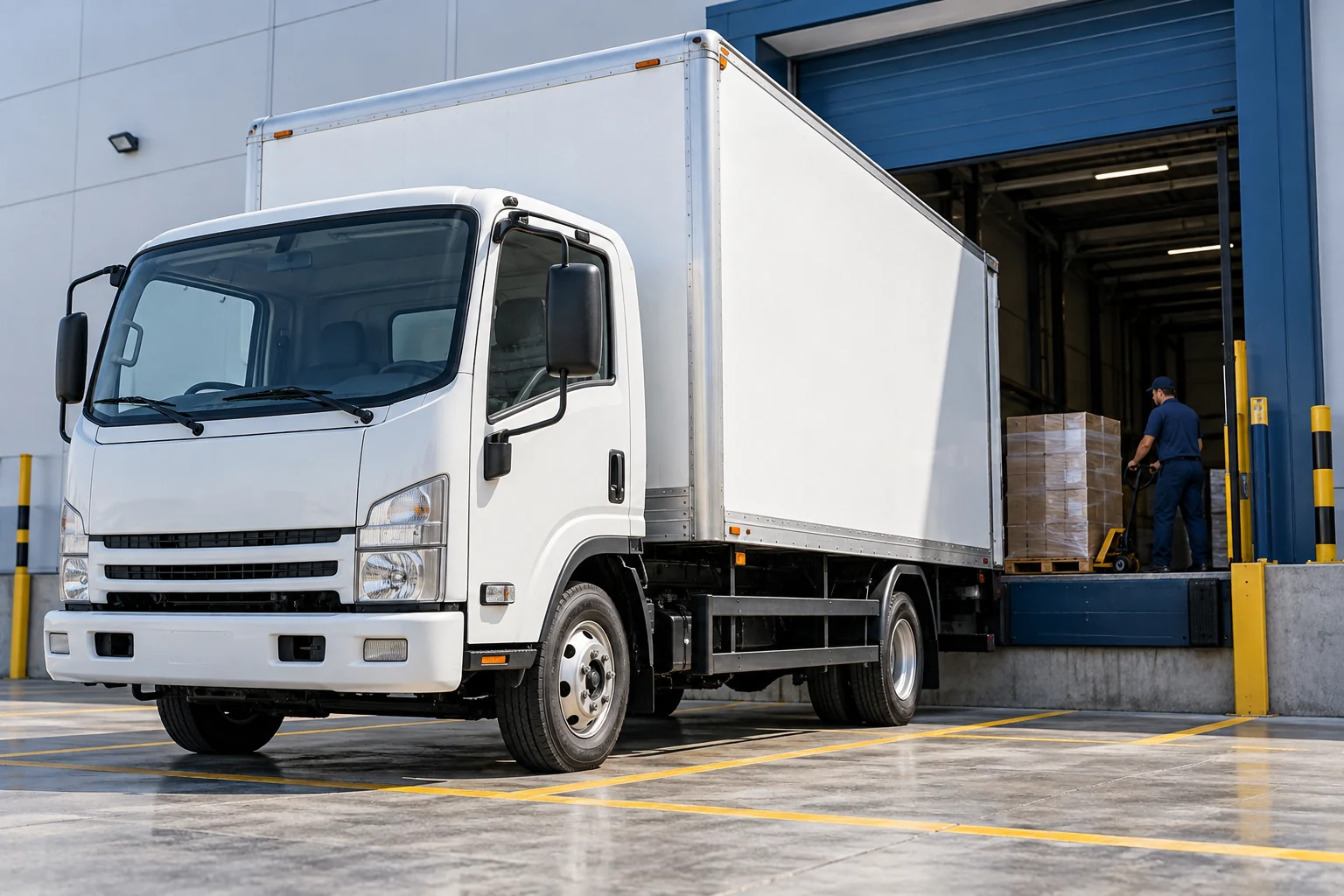
A suitable vehicle is selected after reviewing shipment weight, dimensions, product characteristics, loading and delivery arrangements. Piece count or a vehicle label is not enough. A heavy truck may suit a consolidated movement while a light commercial vehicle serves a different route; motorcycles should only be considered for orders appropriate to their actual operating limits.
Gather shipment information first
Record unit counts, weights, dimensions and packing methods. Specify whether a figure describes one item, one carton or the whole consignment. For palletized goods, explain the arrangement and whether stacking is permitted under the product instructions. This supports a discussion of loading space and weight distribution.
Weight is not a substitute for dimensions. A shipment may be light but bulky, or compact yet require specific handling. Where information is approximate, say so and provide a useful description or photographs. Ask for the proposed vehicle and scope to be reviewed before the arrangement and cost are confirmed.
Match the vehicle category to the operation
The United Investment profile includes heavy trucks, medium-duty trucks, light commercial vehicles and delivery motorcycles. Each can be discussed against the shipment and distribution requirement without assuming a standard capacity or universal suitability for a particular road or product.
Larger does not automatically mean better, and smaller does not always mean lower total cost. Loading fit, destinations, arrival windows and receiving methods affect the choice. The comparison changes if several trips are needed or the task moves from a direct shipment to distribution across multiple locations.
Review loading and unloading at both ends
Check the facilities at the origin and destination and how goods move between storage and the vehicle. Define who performs each activity and identify requirements that have not yet been communicated. A vehicle can fit the goods while still being unsuitable for the actual collection or delivery arrangement.
Record access windows, receiving contacts and known arrival instructions. Explain whether the destination is residential, commercial or within a project with specific arrangements. A short address should not conceal access constraints that will require the journey to be reorganized after departure.
Distinguish transport from distribution
Moving goods between two points differs from a route with several destinations. Distribution requires stops to be coordinated with quantities, receiving contacts and their windows. Loading order may need to allow each destination’s goods to be removed without unnecessary handling of the remaining consignment.
Clarify whether the service ends at handover to a named receiver or includes additional site activity. Identify the receipt reference and the process for failed access or quantity discrepancies. These are scope decisions and should not be left to the driver or receiver to interpret independently.
Keep product requirements in the decision
Share specific storage or protection conditions early so transport suitability can be reviewed. Vehicle size or appearance does not demonstrate compliance with a particular product requirement. Sensitive or unusual goods need to be discussed with the appropriate specialists before arrangements are confirmed.
Ask about load restraint, separation where needed and the information that accompanies the goods. These questions should define the requirement rather than imply that a provider has equipment or an authorization that has not been confirmed. Establish the need, review capability and record what is agreed.
Submit a route that can be scoped
Share the pickup city, destinations, product description, quantities, approximate dimensions and weight, and expected date. Add loading, unloading and receiving arrangements. For recurring work, describe frequency and seasonal variation rather than treating one isolated journey as representative of the whole operation.
United Investment Company provides transportation and distribution using different options according to requirements. A quote depends on reviewing the shipment, route and responsibilities. Use the form below to discuss an appropriate arrangement instead of committing to a vehicle name before the actual need is understood.
Transport enquiry checklist
- Units, weight, dimensions and packing method.
- Pickup point, destinations and access or receiving windows.
- Loading and unloading requirements and responsibilities.
- Product conditions, restraint and protection needs.
- Direct, multi-stop or recurring journey requirements.
Frequently asked questions
Is carton count sufficient to select a vehicle?
No. Dimensions, weight, stacking, product type, route and loading arrangements are also needed.
Does this guide assign fixed capacities to each vehicle type?
No. Suitability should be reviewed against the actual consignment and operating arrangements before a quote is agreed.
Is a multi-stop route the same as a direct movement?
Planning, handling and delivery requirements differ. Specify destinations, quantities and receiving windows in the enquiry.